
New! Sign up for our email newsletter on Substack.

Home Air Purifiers Cut Heart Risks from Traffic Pollution

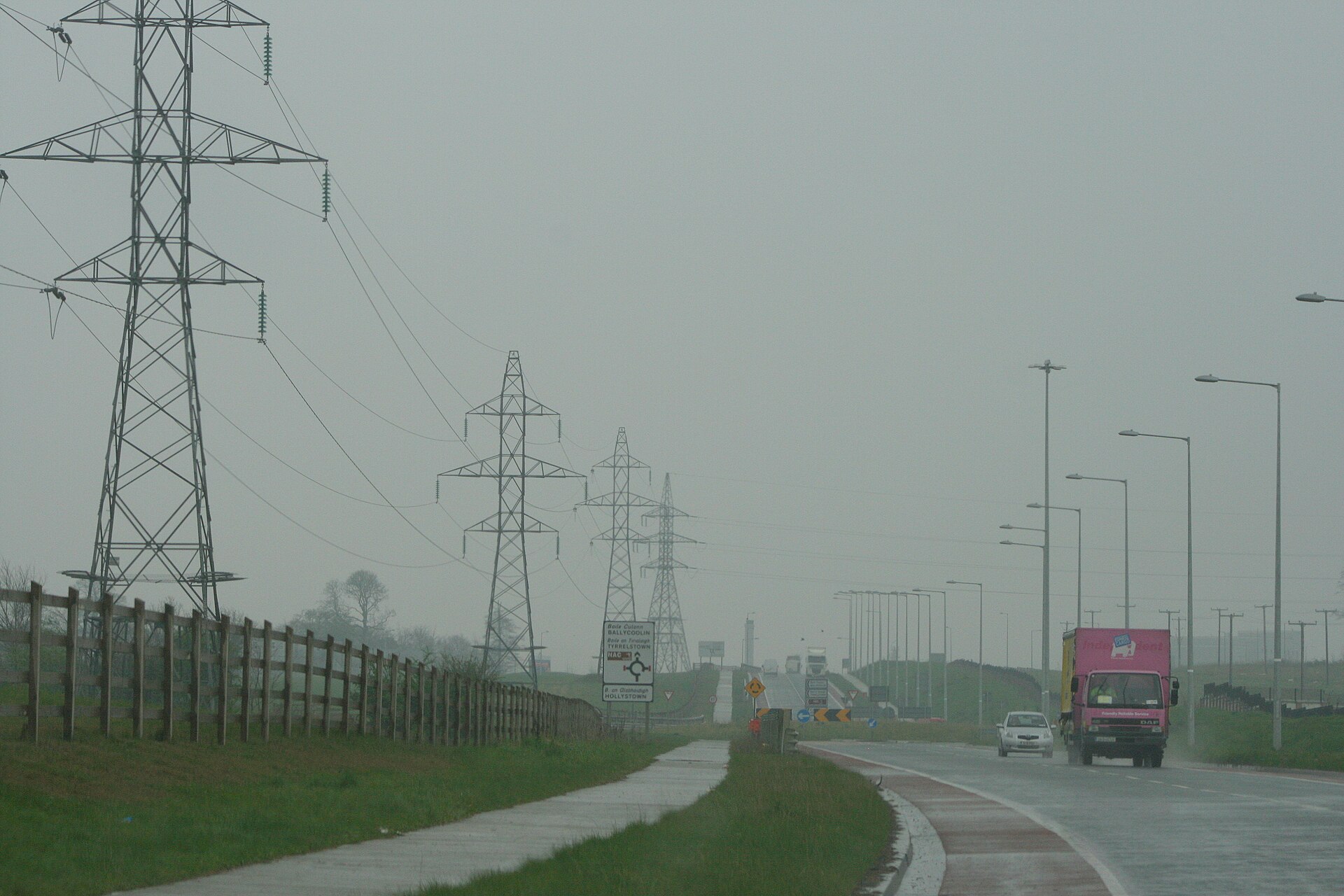
If you live near a busy highway and worry about the effect of traffic pollution on your health, could using a portable air purifier be part of the solution?

A new study published in the Journal of the American College of Cardiology (JACC) says yes. Researchers found that placing high-efficiency particulate air (HEPA) filters in homes near major highways significantly lowered systolic blood pressure (SBP), a critical risk factor for heart disease, among adults with elevated readings. This was true even in areas with relatively low overall air pollution levels, showing that air filtration might offer meaningful cardiovascular protection where many people think they are already safe.

How Traffic Pollution Impacts Heart Health

Living close to high-traffic roads means frequent exposure to particulate matter (PM), microscopic pollutants from vehicles, tires, and brakes. These particles can enter homes and contribute to increased blood pressure, raising the risk of cardiovascular diseases like stroke and heart attack.

“High blood pressure remains one of the most important modifiable risk factors for cardiovascular disease,” explained Douglas Brugge, Ph.D., M.S., lead author of the study and Chair of the Department of Public Health Sciences at UConn Health. “This research adds to growing evidence that simple interventions, like in-home air filtration, may help improve heart health for people at risk.”

How the Study Was Conducted

The researchers recruited 154 adults living near highways and conducted a randomized crossover trial. Participants were given one month with either an operational HEPA air filter or a sham filter (an air purifier with the HEPA filter removed), followed by a washout period and then the opposite condition for another month.

Key findings from the study include:

  • Participants with elevated SBP saw an average 2.8 mmHg decrease after using HEPA filtration.
  • During sham filtration, their SBP slightly increased by 0.2 mmHg.
  • This led to a significant net difference of 3.0 mmHg in favor of HEPA filters.
  • No significant change was observed for diastolic blood pressure or among those with normal blood pressure.

Implications for Everyday Life

“Overwhelming evidence shows the harmful health effects of PM2.5 exposure, even at levels below current U.S. standards,” noted Jonathan Newman, M.D., M.P.H., Associate Professor at NYU Grossman School of Medicine. “As healthcare professionals, we must educate the public and support policies that protect clean air and improve the health of all Americans.”

JACC Editor-in-Chief Harlan M. Krumholz, M.D., added, “While more research is needed, these results suggest that what we breathe at home may matter for our cardiovascular health.”

Important Considerations and Limitations

The researchers noted several limitations, including limited generalizability due to a predominantly white, higher-income participant pool, exclusion of people already on blood pressure medication, and potential variation in purifier use. They also did not collect data during hotter months when indoor pollution could differ.

Looking Forward: A Simple Step for Health

This study offers practical guidance for millions living near highways. A portable HEPA air purifier may represent a straightforward and effective way to lower the risk of cardiovascular disease by improving indoor air quality at home.

Given the promising results, researchers advocate more extensive, diverse studies to better understand who benefits most from air purifiers.

Brugge summarized the potential impact: “It’s a reasonable conclusion, given the lack of adverse effects, to recommend air purifier use for vulnerable populations, those with preexisting risk of cardiovascular disease such as elevated BP, and those who live close to high-traffic areas.”

Journal Reference:
Journal of the American College of Cardiology (JACC)
“Effect of HEPA Filtration Air Purifiers on Blood Pressure: A Pragmatic Randomized Crossover Trial”
DOI: 10.1016/j.jacc.2025.06.037


Quick Note Before You Read On.

ScienceBlog.com has no paywalls, no sponsored content, and no agenda beyond getting the science right. Every story here is written to inform, not to impress an advertiser or push a point of view.

Good science journalism takes time — reading the papers, checking the claims, finding researchers who can put findings in context. We do that work because we think it matters.

If you find this site useful, consider supporting it with a donation. Even a few dollars a month helps keep the coverage independent and free for everyone.


Leave a Comment

This site uses Akismet to reduce spam. Learn how your comment data is processed.